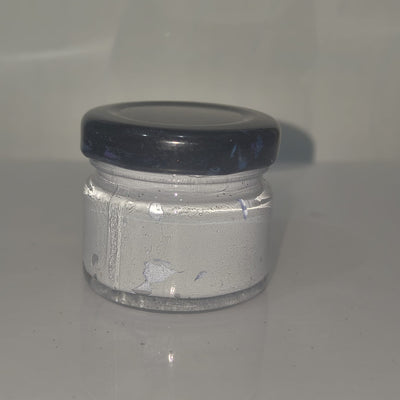
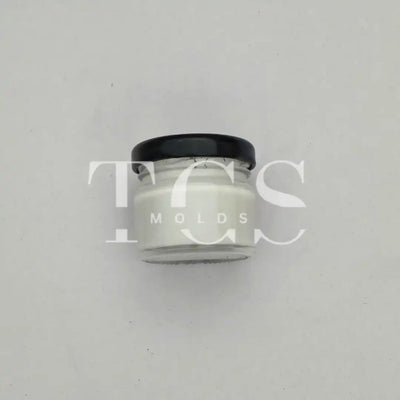
White Opaque paste Pigment
In Stock
Inclusive of all taxes · Free shipping above ₹2599
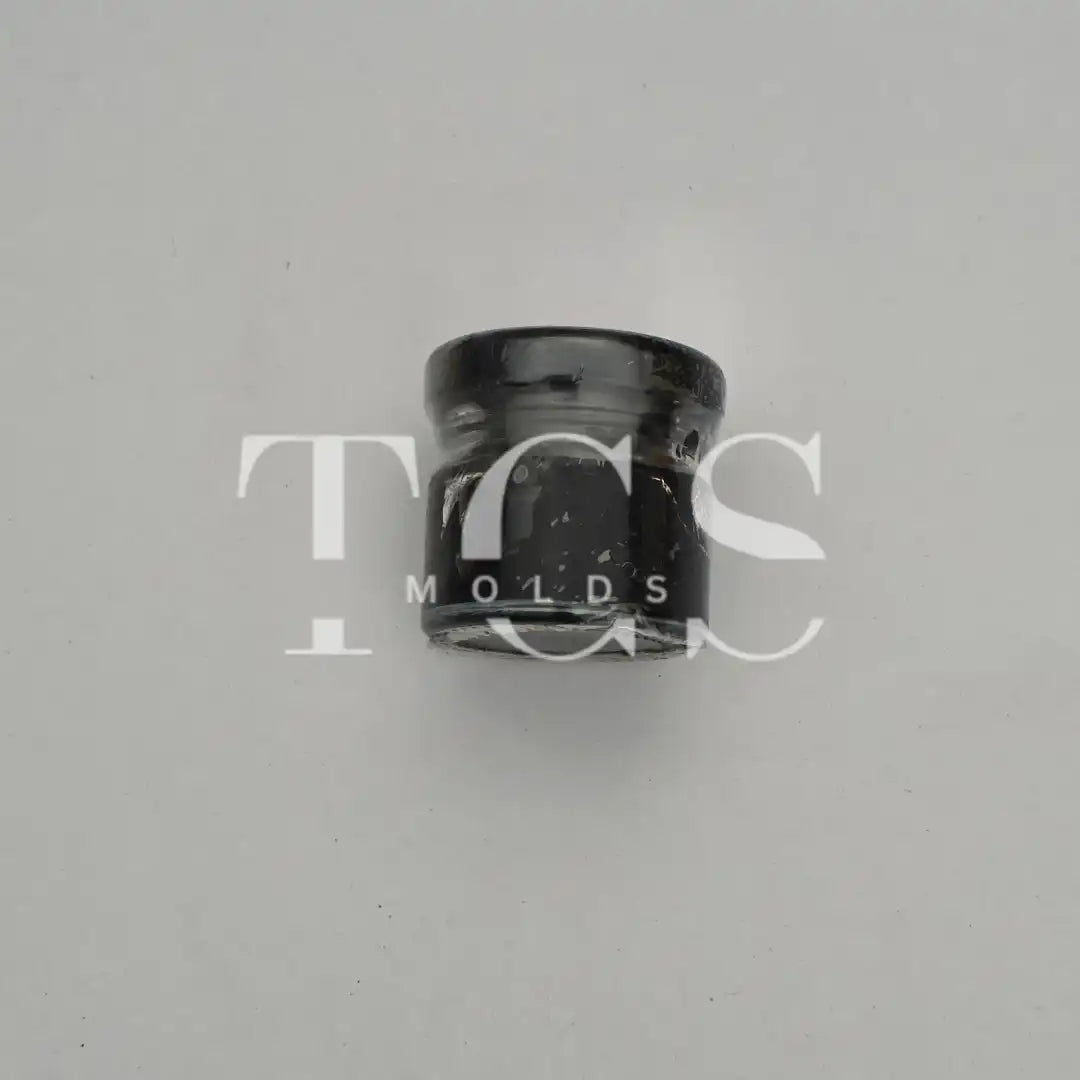
Black is not simply a colour — it is the foundation of contrast, the backbone of marble veining, and the secret behind every striking galaxy pour. The TCS Molds Black Opaque Paste Pigment is a highly concentrated, non-transparent colour paste formulated specifically for epoxy resin art, UV resin jewellery, soy wax candles, and mixed-media craft applications. This is the same professional-grade pigment used by Jammu's most prolific resin artists, and it is available in stock right now with same-day dispatch.
Unlike liquid pigment drops that can alter the resin's cure chemistry when overused, this paste pigment integrates cleanly into your resin at very low ratios. A tiny quantity — just 1 to 3 percent of your total resin weight — delivers a rich, fully opaque black with zero streaking. Whether you are laying a deep-space base for a galaxy coaster, drawing precise marble veins across a white epoxy slab, or creating bold monochrome resin jewellery with stark geometric contrast, this pigment performs consistently pour after pour.
| Property | Detail |
|---|---|
| Type | Opaque paste pigment |
| Colour | Deep matte black (fully opaque) |
| Compatible with | Epoxy resin (3:1 ratio), UV resin, soy wax, paraffin wax |
| Recommended usage ratio | 1–3% by total resin weight |
| Finish | Opaque; achieves glossy finish after resin cure and polish |
| UV stability | Yes — does not fade or yellow under UV exposure |
| Mix method | Stir into Part A before adding Part B; mix thoroughly |
| Non-toxic | Yes; BPA-free formulation |
| Brand | THE CRAFT STATION MOLDS (TCS Molds), Jammu |
Understanding the difference between opaque and transparent pigment is the first step to predictable, professional results. Transparent pigments (like alcohol inks or translucent colour pastes) allow light to pass through the cured resin, creating a stained-glass or jewel-like effect. They are ideal for layered geode work, colour-depth petri art, and ocean pour gradients where you want to see through the resin layers.
Opaque pigments like this black paste block all light transmission. The cured resin surface reads as a flat, solid colour with no translucency whatsoever. This is exactly what you need for marble veining (where the vein must read as a distinct solid line), galaxy bases (where the "sky" must be completely dark), and jewellery pieces where you want strong graphic contrast rather than a colour-wash effect. When in doubt, choose opaque for bold designs and transparent for ethereal layered art.
Pour a white opaque resin base into your circular silicone mold, then draw thin streams of black pigmented resin across the surface using a cocktail stick or silicone brush. Use a heat gun on low to stretch and feather the veins into organic marble patterns. The fully opaque black creates razor-sharp contrast against the white, replicating the look of Nero Marquina marble. Cure for 24–48 hours in the 3:1 epoxy ratio, sand to 3000 grit, and finish with a gloss polish for a mirror finish that is indistinguishable from natural stone.
Black is the canvas for every galaxy pour. Begin by coating your mold with a black resin base using this paste pigment, then drop in small amounts of blue, purple, silver, and white pigments while the black is still wet. Swirl gently with a toothpick to create nebula clouds. Sprinkle cosmetic-grade glitter or metallic flake for star clusters. The fully opaque black "sky" makes every colour accent pop with maximum luminosity. This technique works beautifully in coasters, geode panels, and large rectangular molds.
For minimalist resin jewellery with a modern graphic sensibility, pair solid black resin with a clear or gold-pigmented pour in geometric silicone molds. Fill half the cavity with black, allow it to reach a thick-gel consistency (approximately 40 minutes for UV resin or 6–8 hours for epoxy), then pour a contrasting colour or clear resin into the remaining space. The two layers meet with a clean, defined edge rather than blending — producing a sharp two-tone pendant or earring with a high-end art jewellery look.
Black candles carry a bold, dramatic aesthetic that sells exceptionally well at craft fairs and on social media. Mix this paste pigment into melted soy wax at 50–55°C or paraffin wax at 60–65°C. A concentration of around 0.5–1% by wax weight is sufficient for deep colour saturation. The UV-stable formula ensures the candle retains its rich black tone even after extended burn time and exposure to indoor light. Pair with a woodsy fragrance oil at 6–10% by weight — sandalwood, oud, cedar, or smoky incense blends — for a premium artisan candle that commands a higher retail price.
Luxury marble trays are one of the most commercially successful resin art products in India. Pour a jet-black opaque base into a rectangular tray mold, then use a fine brush to drag gold metallic pigment across the surface in irregular diagonal veins. A second pass with a heat gun stretches the gold into natural-looking mineral formations. The result is a piece that mirrors the aesthetic of premium black granite or fossil-stone — at a fraction of the material cost. These trays retail for ₹1,200–₹3,500 depending on size, and the black-and-gold colourway is consistently the best seller.
Begin by measuring your epoxy resin in a 3:1 ratio — three parts Part A (resin) to one part Part B (hardener) by volume. Divide the mixed resin into two equal portions in separate cups. Add white opaque paste pigment to the first cup (approximately 2% by weight) and stir for two full minutes until the colour is completely uniform with no streaks. Into the second cup, add this black opaque paste pigment at roughly 1% by weight and stir until fully blended.
Pour the white resin into your circular silicone mold as the base layer, filling it to about 70 percent of the cavity depth. While the white resin is still fluid, use a cocktail stick or silicone brush to drizzle thin streams of black resin across the white surface in diagonal or curved lines. Do not stir — the goal is distinct lines, not a blended grey. Hold a heat gun approximately 20 centimetres above the surface and move it in slow passes to thin and feather the black veins into fine, natural-looking striations. Add a small drop of gold metallic paste along one of the veins if you want a luxury tri-tone marble effect.
Allow the piece to cure undisturbed on a level surface for 24–48 hours at room temperature. After full cure, pop the coaster out of the flexible silicone mold — the easy-release surface requires no mold release spray. Sand progressively from 400 to 800 to 1500 to 3000 grit wet sandpaper to remove any surface imperfections, then buff to a mirror finish with resin polish or car wax. The result is a professional coaster with a gloss finish that rivals machine-made marble products.
A single pot of black opaque paste pigment enables an enormous range of saleable products across multiple resin art categories. A set of four black marble coasters made with epoxy resin and this pigment can retail for ₹800–₹2,000 depending on size and finishing quality. A black galaxy resin tray in a 30×20cm rectangular mold commands ₹1,500–₹4,000. Black-and-gold marble coasters specifically — which carry a premium luxury perception — routinely sell for ₹1,000–₹2,500 for a set of two on Indian handicraft platforms.
In the jewellery category, black opaque resin earrings in geometric shapes sell for ₹300–₹800 per pair, while bold statement pendants with black-and-clear two-tone designs retail for ₹400–₹1,000. Black soy wax candles in decorative molds or glass jars sell for ₹300–₹700 each, with the black candle aesthetic commanding a premium over standard white candles due to its photogenic quality on social media. A single ₹80 tube of this pigment is sufficient for dozens of small projects, making it one of the highest-return art supplies in your studio inventory.
Each order contains one tube of TCS Molds Black Opaque Paste Pigment. This product is in stock and available for same-day delivery in Jammu. Orders above ₹2,599 qualify for free shipping pan India. Bulk pricing is available for artists who need larger quantities — reach us on WhatsApp and we'll sort you out. We are trusted by 5,000+ resin artists across India, offer a 7-day return policy, and recommend sharing an unboxing video when your order arrives so our team can confirm product condition.
This pigment is beginner-friendly — there is no complicated calibration required. Measure, mix, and pour. Our WhatsApp support team is available to guide you through any colour-matching or mixing query in real time.
For the best marble and galaxy results, combine this black pigment with our full colour pigment range — white, gold, and silver paste pigments are the most popular pairings. Use it in conjunction with our silicone molds for coasters, trays, and jewellery pieces. Our epoxy resin is the ideal carrier medium for this pigment, and our tools and sprays collection has the silicone brushes, heat guns, and mixing accessories your studio needs.
No — when used at the recommended 1–3% by weight ratio, this paste pigment does not interfere with epoxy resin cure time or final hardness. It is fully compatible with standard 3:1 epoxy formulas. Exceeding 5% by weight in any pigment (of any brand or type) may begin to soften the cured surface, so stick to the recommended range for best results.
Yes, this pigment is compatible with UV resin. However, be aware that opaque pigments in UV resin block the UV light from penetrating deeply into the layer, which can result in incomplete cure if your layer is too thick. Keep UV resin layers at 3mm or shallower when using opaque pigments, cure under a 36W or stronger UV lamp for 3–5 minutes per layer, and wipe the oxygen inhibition layer with IPA between layers. For molds deeper than 5mm, epoxy resin is recommended over UV resin when using opaque pigments.
The key is timing. Pour your base colour and allow it to rest for 20–30 minutes until it thickens slightly but has not begun to gel. At this stage, the base resin is viscous enough to hold the vein colour in place rather than allowing it to sink or spread uncontrollably. Draw your veins quickly with a cocktail stick and use a heat gun briefly to thin them — but work fast, as the window closes in about 15–20 minutes before the base begins to set.
Yes — this paste pigment is non-toxic and compatible with soy wax and paraffin wax candles. Use approximately 0.5–1% by wax weight for rich, saturated black colour. It does not affect fragrance throw or burn quality when used at these concentrations. Do not exceed 2% by wax weight, as very high pigment loads can clog the wick over time.
Store in a cool, dry location away from direct sunlight and heat sources. Ensure the cap is firmly sealed after each use to prevent the paste from drying at the tip. If the tip does dry between uses, gently wipe the dried portion away with a tissue before dispensing fresh pigment. Properly stored, the pigment remains usable for 12–18 months.
Absolutely — mixing this black paste with white opaque pigment in varying ratios produces the full grey scale from light ash to deep charcoal. A ratio of approximately 1 part black to 8 parts white gives a soft mid-grey; 1 part black to 3 parts white gives a strong charcoal. These grey tones are extremely popular for Scandinavian-style resin home décor, minimalist coasters, and industrial-aesthetic jewellery.
Ready to add bold, dramatic black to your resin art palette? Order the TCS Molds Black Opaque Paste Pigment today and get same-day delivery in Jammu or fast pan-India shipping on orders above ₹2,599. Questions about colour mixing, marble techniques, or bulk orders? Chat directly with our team on WhatsApp at +91 97971 37137 — we respond within minutes and love helping artists achieve the exact look they are going for.
7-day return policy on unused, unopened items.
⚠️ Video proof required for returns: To be eligible for a return or replacement, you must record an unboxing video at the time of opening your package. Claims submitted without an unboxing video cannot be processed.
📱 WhatsApp +91 9797137137 to initiate a return. Our team responds within 2 hours.
5,000+ artists trust TCS Molds. Tag us @tcsmolds to be featured.
📸
Share your work on Instagram with @tcsmolds or send us a photo on WhatsApp. We feature the best customer work here.
📤 Share Your Work📱 Follow us on Instagram for daily inspiration
@tcsmolds/Wash with mild soap and warm water before first use. Dry completely.
Optional but recommended — thin coat of mold release spray for easy demolding.
Combine resin and hardener in the correct 3:1 ratio. Stir slowly for 3–4 minutes.
Pour slowly to avoid bubbles. Use a heat gun to pop surface bubbles. Let cure 24–48 hrs.
Gently flex the mold to release. Sand edges if needed. Polish with resin polish for mirror finish.
Install Judge.me from the Shopify App Store (free) to collect and display reviews here.
Share feedback on WhatsApp